
Last updated August 26, 2026
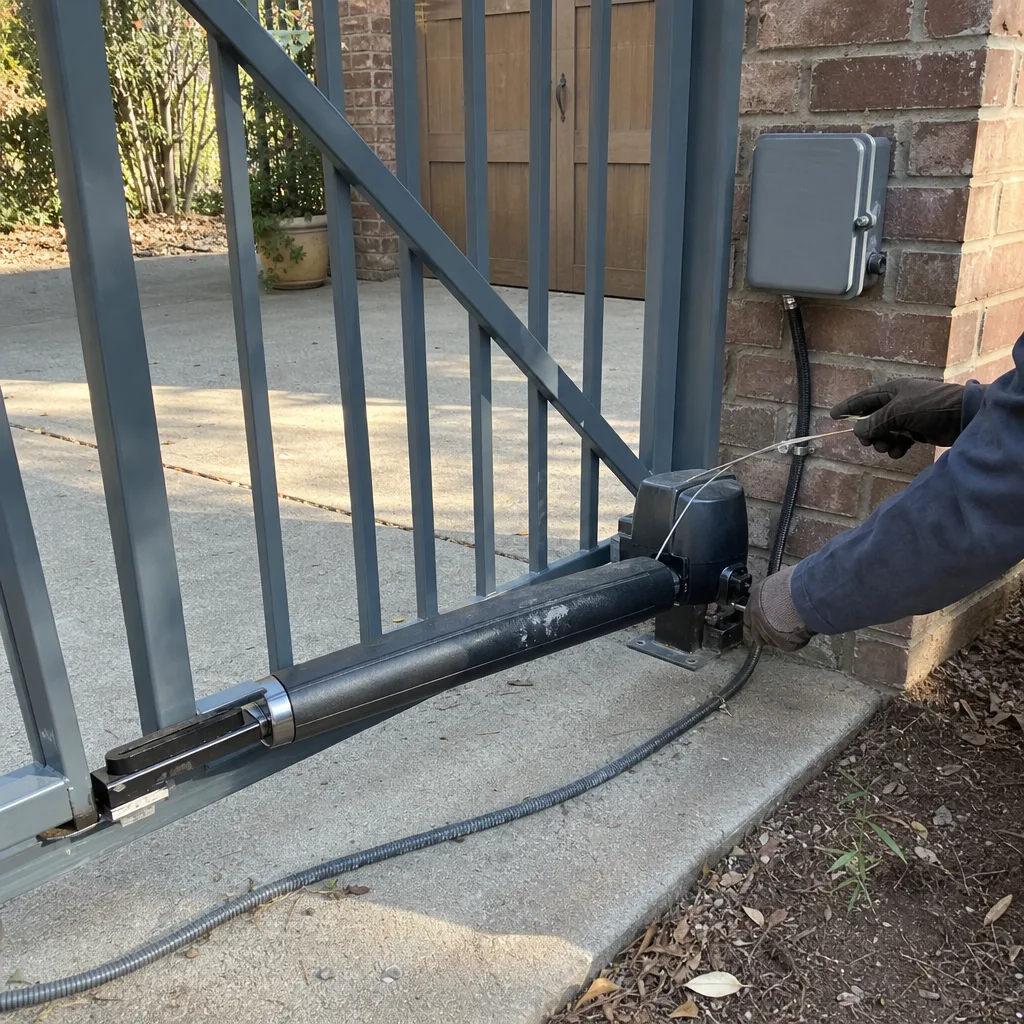
Free on-site gate assessment - hinges, posts, and your LiftMaster or Nice gate operator checked before anything is quoted
The assessment is free and the quote is the invoice.
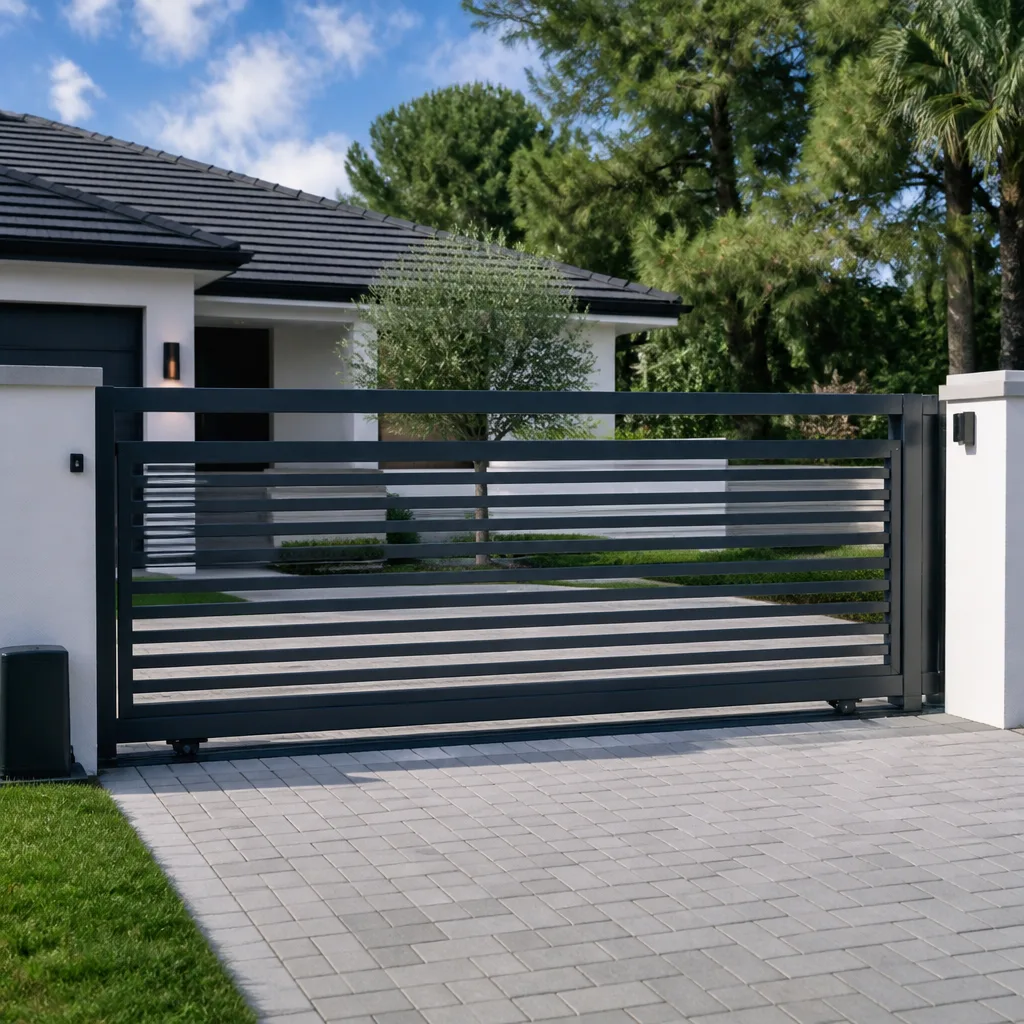
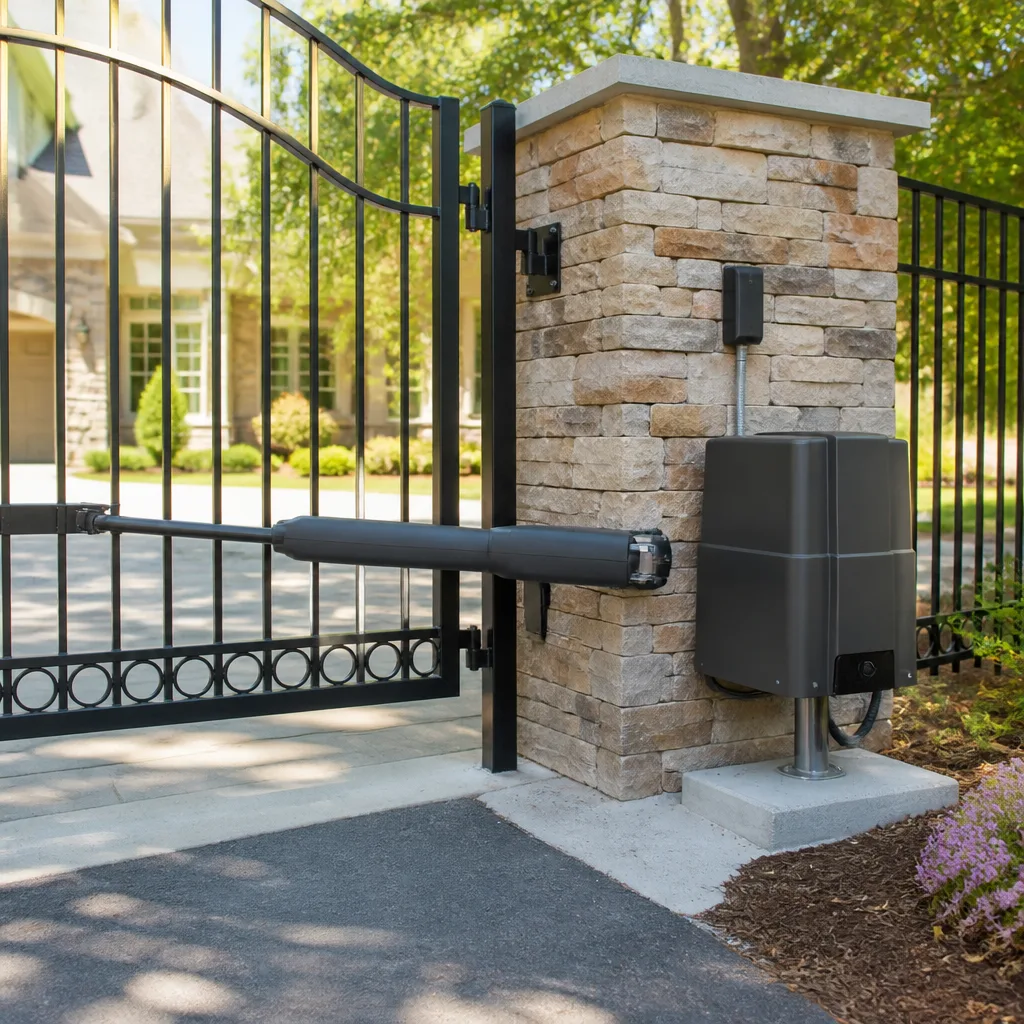
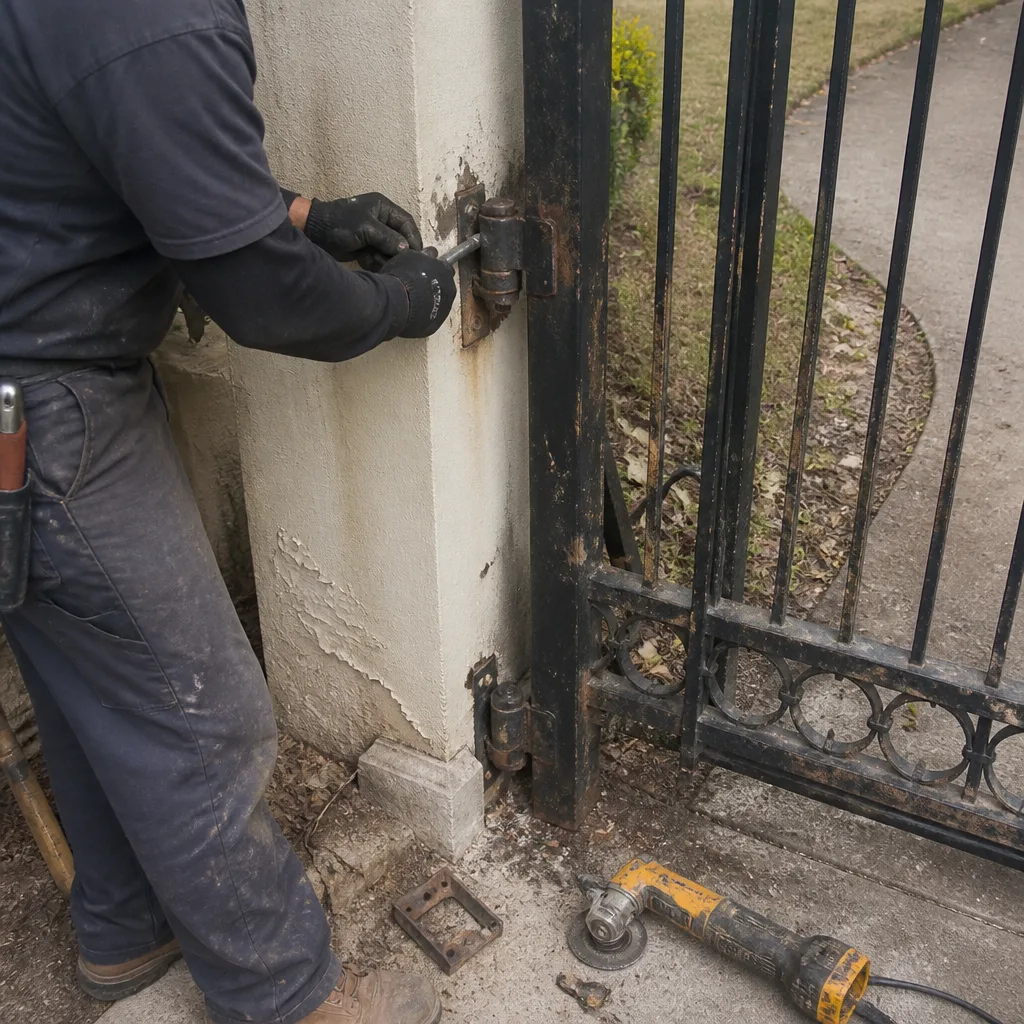 Before
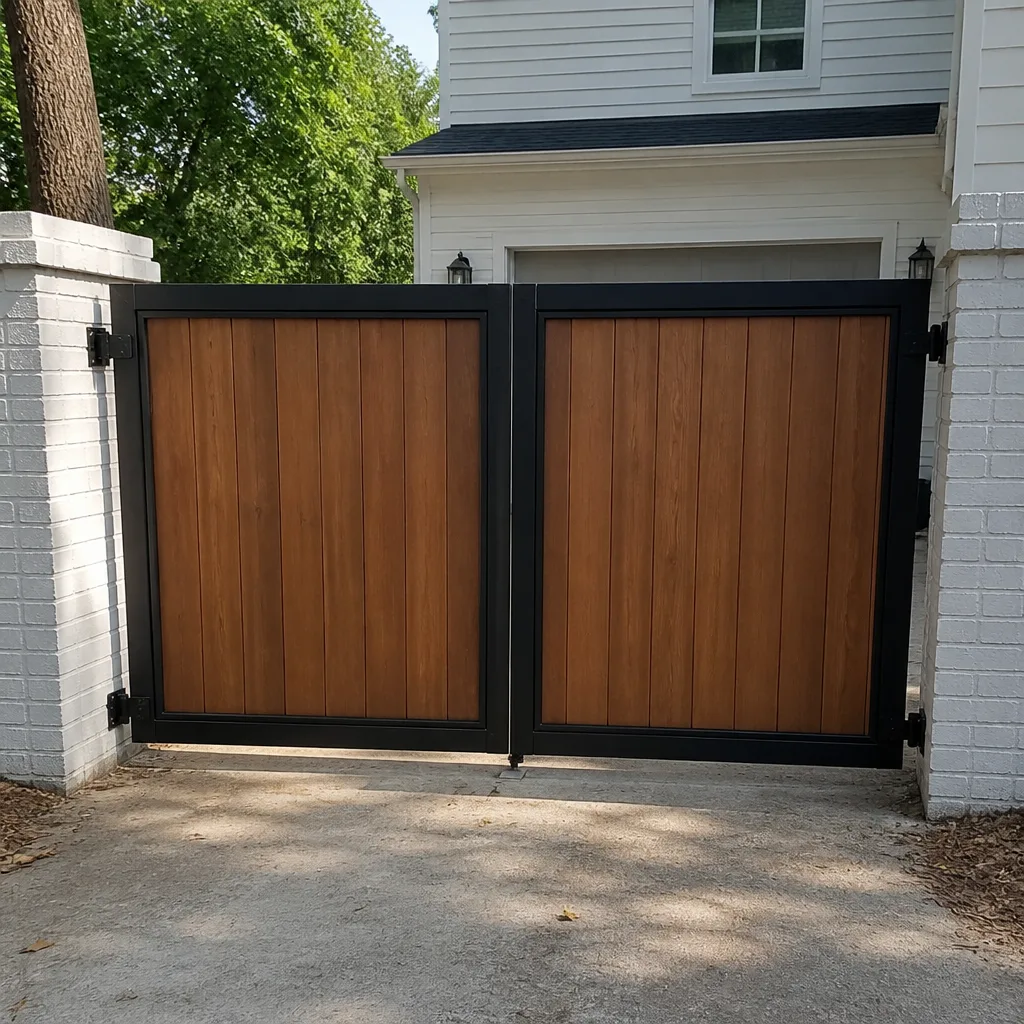 After
After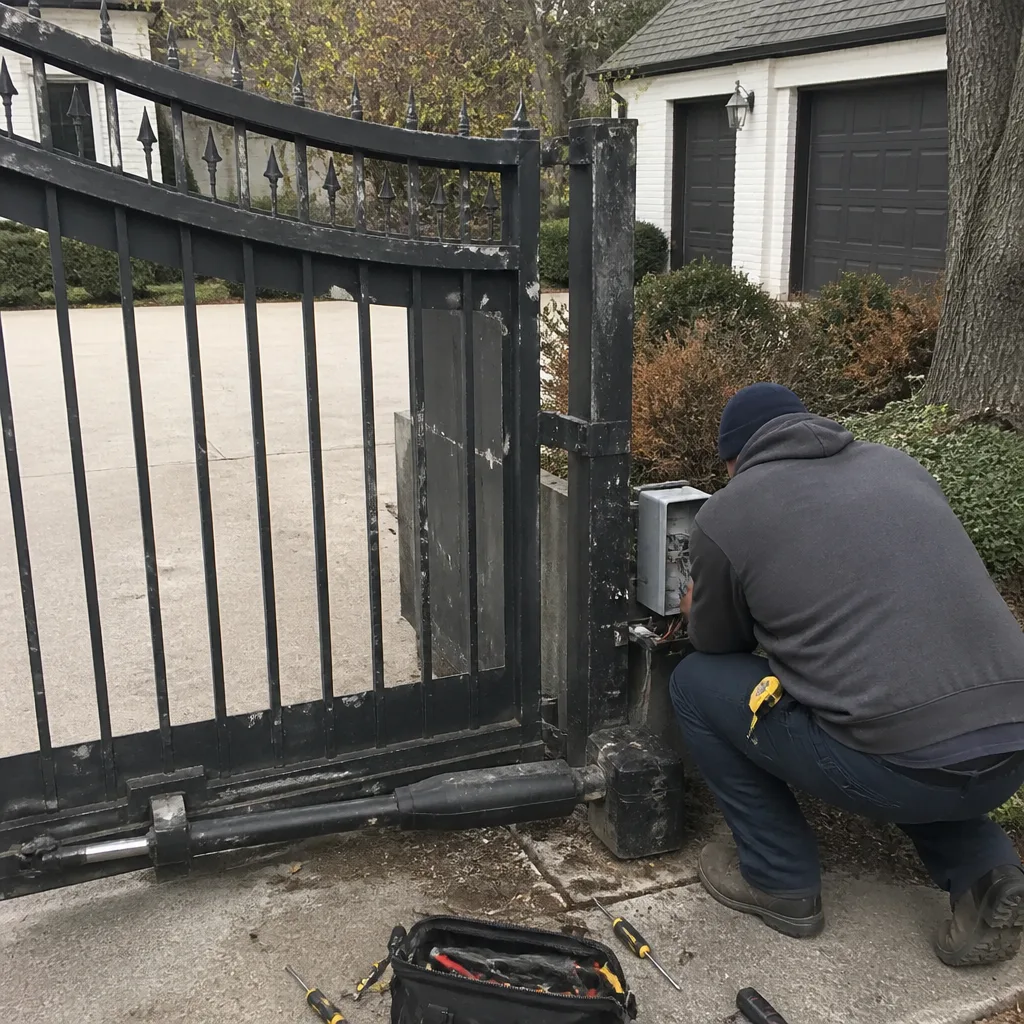 Before
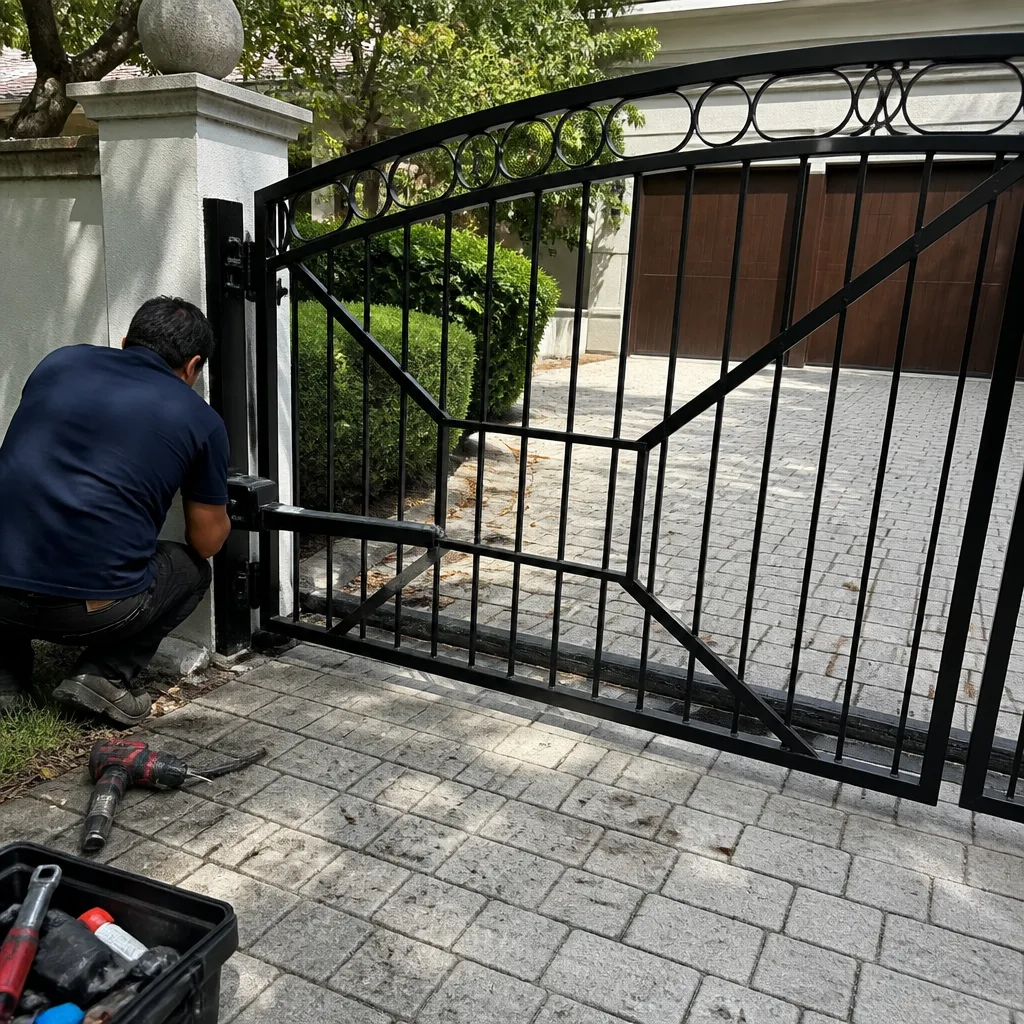 After
After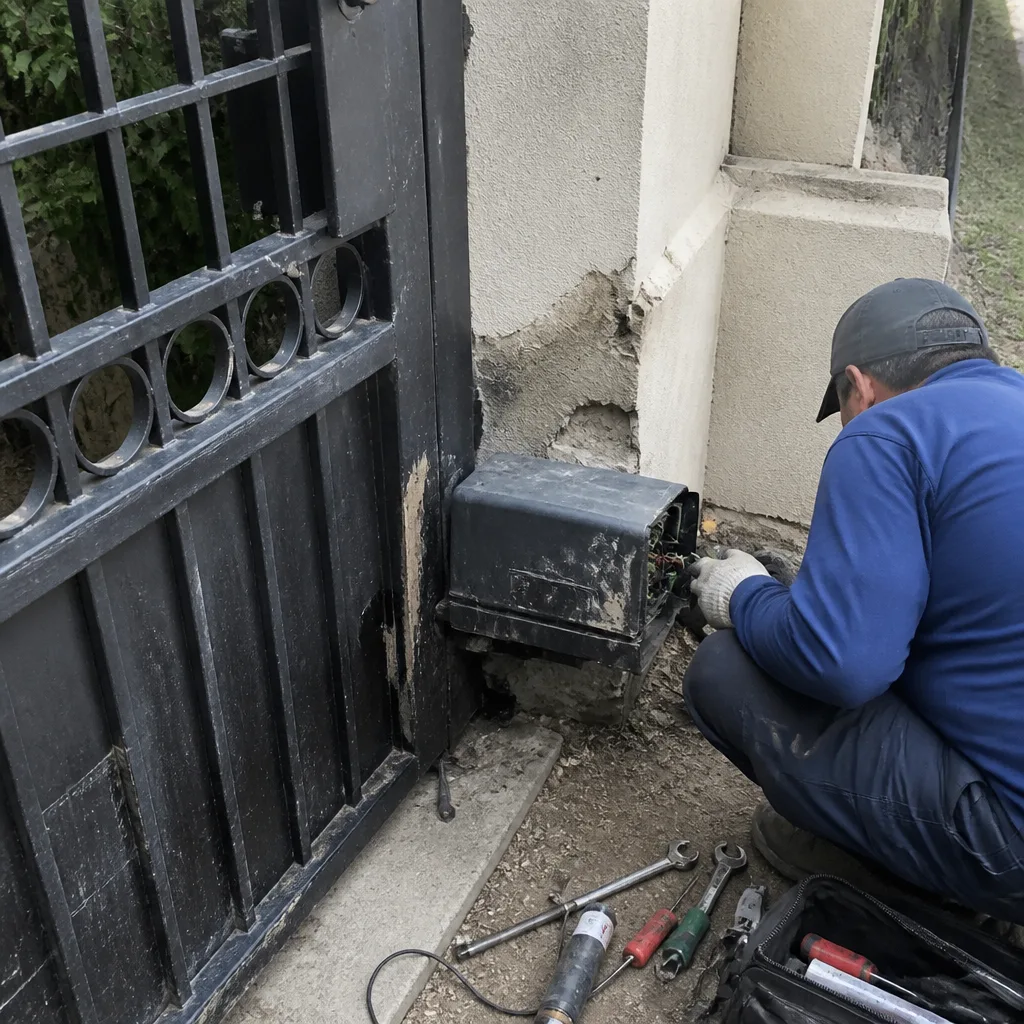 Before
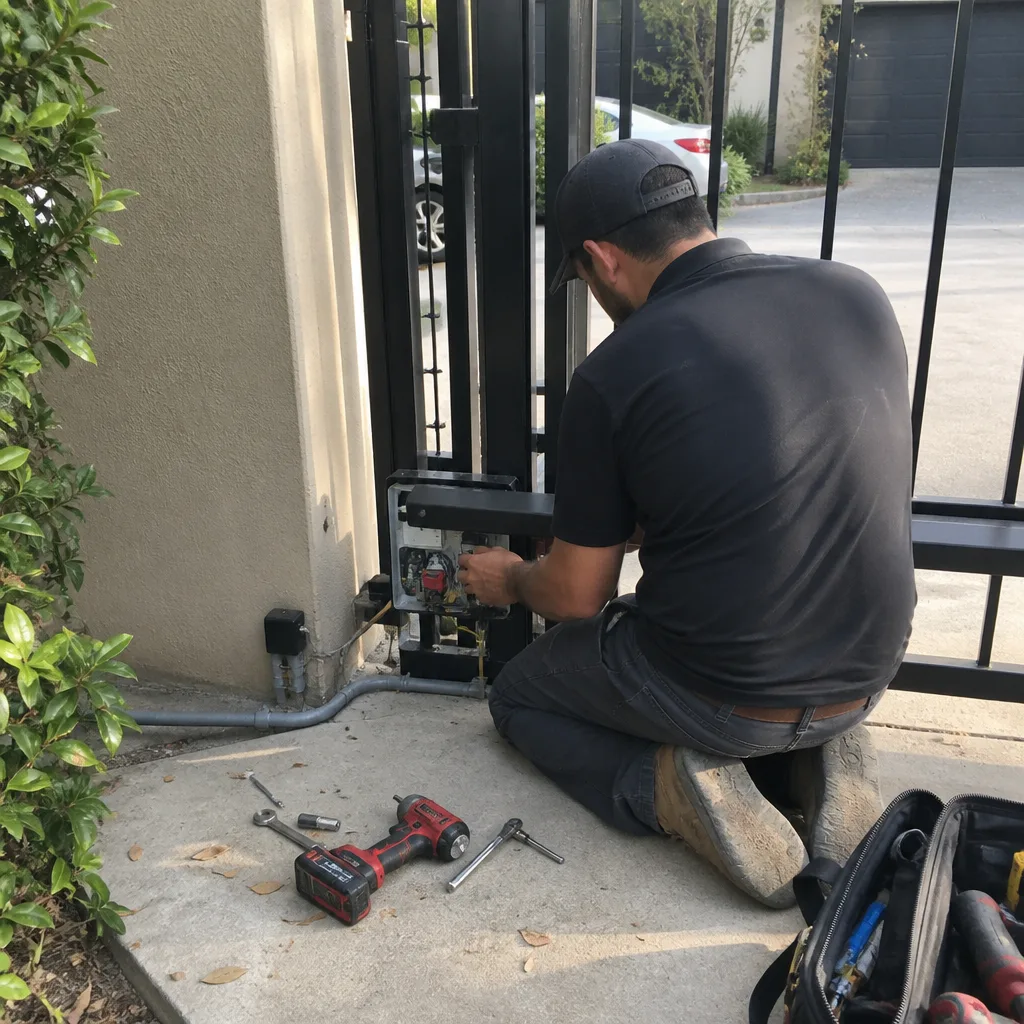 After
AfterHow to Hire a Gate Repair Contractor in Highland Park: A Step-by-Step Guide
Here’s the uncomfortable truth about gate repair in Highland Park: the contractor who does the most damage is rarely the one who does sloppy work. It’s the one who does unnecessary work so cleanly you’d never know the difference. A new operator quoted at $1,800 when the real problem was a $40 limit switch. A “full hinge replacement” when the post had shifted a half-inch and needed to be re-set. The invoice looks professional. The gate works, for a while. Then the same underlying issue comes back, because nobody ever diagnosed it. Our Complete Guide to Gate Repair in Highland Park gives you the specific questions and verification steps that separate a real gate specialist from a general handyman who owns a welder and a truck. It’s written from Highland Park, for Highland Park homeowners, by someone who has been fixing gates here since 2001.
Quick Answer
To hire a gate repair contractor in Highland Park you can trust, verify four things: a published local business address you can drive past, a real person who answers the phone and gives their name, an estimate that includes a root-cause diagnosis rather than just a list of parts, and a written warranty backed by someone whose name is on the shop. Expect a legitimate repair quote to include the specific failure, why it failed, what gets fixed, and a price agreed before any work starts. Call Gatewood Fence & Gate at (325) 936-1371 for a free estimate from an owner-operated Highland Park shop that has been repairing gates since 2001.
Table of Contents
- The Gate Specialist vs. the Fence Company That Does Gates on the Side
- Step 1: Verify the Contractor Is Actually Local (Not a Lead Aggregator)
- Step 2: The Two-Minute Questions That Expose a Gate Specialist from a Generalist
- Step 3: What a Legitimate Gate Repair Estimate Must Include
- Step 4: Red Flags Specific to Gate Repair in Highland Park
- Step 5: How to Evaluate a Warranty When a Real Name Is Behind It
- Why Highland Park Gates Fail the Way They Do
- Common Mistakes to Avoid
- When to Call a Professional
- Frequently Asked Questions
- The Bottom Line
The Gate Specialist vs. the Fence Company That Does Gates on the Side
Highland Park has no shortage of fence companies. Most of them build good fences. Some of them will also tell you they repair gates, and technically they can. But a gate is not a fence with hinges. A gate is a moving piece of machinery that carries weight, deals with wind load, cycles hundreds of times a month, and has electrical components that fail for reasons that have nothing to do with the post. When a fence company sends someone to “look at your gate,” you’re often getting a fence builder who owns a welder, not a gate technician who understands opener logic, travel limits, safety edge resistance, and the mechanical bind that burns out motors.
The distinction matters more in Highland Park than people realize. We have clay-heavy soil that shifts with moisture, which means gate posts move. We have wind that comes across the open stretches east of the Tollway and hits a solid panel like a sail. And we have more automatic openers per driveway than most Dallas suburbs, because so many Highland Park properties sit on alleys or rear-access lots where a gate is the primary entry point, not a decorative add-on. A specialist knows these conditions. A generalist learns them at your expense.
Here’s the test that takes two minutes. Ask the contractor what they’d check first on a gate that opens halfway, stops, and reverses. If they say “the opener” and stop there, you’re talking to a generalist. If they say “I’d check the mechanical first, because an opener rarely fails without a reason, and a bind in the hinge or a post that’s moved is far more common than a motor that just gave up,” you’re talking to someone who has actually diagnosed gates. You can ask about brands, too. A specialist will know that a FAAC hydraulic operator behaves differently than a Linear AC screw-drive, and that a BFT board doesn’t respond to a Viking remote. A generalist will tell you they “work on all brands” and change the subject.
We’ve walked onto Highland Park properties where a previous company replaced a $900 opener when the actual problem was a hinge post that had leaned two degrees and was loading the motor past its limit on every cycle. The gate worked for three months. Then the new motor burned out the same way the old one did, because the bind was never addressed. The homeowner paid $900 for a lesson. A gate sags in the hinge post, not in the middle, and that is where we start.
Step 1: Verify the Contractor Is Actually Local (Not a Lead Aggregator)
The fastest way to separate a real Highland Park gate repair shop from a lead aggregator is to look for a published street address. Not a P.O. box. Not a suite number in a shared office park that shows up on six other “local” trade websites. A physical address you can drive past and walk into. If a company won’t publish where they actually work, there’s a reason, and it’s usually that they don’t want you to find them after the job goes wrong.
Here’s why this matters more than a five-star average. Online reviews can be bought, filtered, and manipulated. A physical address cannot. When Hal Gatewood’s name is on the shop, and the shop is down the road, that is the oldest accountability there is. You can drive to him. You can knock on the door. You can look him in the eye and say, “You quoted me this and I paid that.” No review platform reproduces that dynamic. In Highland Park, where word of mouth still travels through school pickups and neighborhood association meetings, reputation is local or it isn’t reputation at all.
Practical verification steps:
- Look up the address on the county appraisal district. Is it a real commercial property? Does the business name on the listing match the one on the website?
- Check the license number. Texas requires gate contractors who perform access control and opener work to hold the appropriate licensing through the Department of Public Safety for certain access control functions. A legitimate Highland Park gate company will publish this number and invite you to verify it.
- Call at an odd hour. Call at 7 p.m. on a Thursday or 9 a.m. on a Saturday. If a live person answers, you’re dealing with a local operator. If you get a recorded menu and a four-minute hold, you’re dealing with an inbound call center, regardless of what the website shows.
- Ask who will show up. Not “what company,” but who. Will it be the owner or the owner’s crew? Does the person on the phone know the names of the people who work there? A one- and two-person Highland Park shop will tell you without hesitation. A national lead seller won’t know until the day before.
Gatewood Fence & Gate has been locally owned and owner-operated since 2001. Hal Gatewood’s name is on the shop and on every invoice. A live person answers every call, 24 hours a day, 7 days a week. Not a voicemail. Not a dispatch queue. Not a chatbot. When you call (325) 936-1371, you get someone who knows gates and knows Highland Park.
Step 2: The Two-Minute Questions That Expose a Gate Specialist from a Generalist
You don’t need to know anything about gates to find out if a contractor does. You just need to ask the right questions and listen to the shape of the answer. A specialist gives you an answer with a reason attached. A generalist gives you a surface answer and tries to move the conversation toward price.
Here are four questions, and what a real answer sounds like:
- “What usually causes a gate to stop opening halfway?” A specialist says: “Could be several things. A bind in the hinge, a post that’s shifted, a limit switch that’s out of adjustment, or an obstruction sensor picking up resistance.” Then they ask you questions back: when did it start, does it happen every time, what does the gate do right before it stops. A generalist says: “Probably the opener” and asks when you’d like to schedule.
- “Do you weld on-site?” This is a gate repair litmus test. If the answer is no, or “we take it to our shop,” you should ask why. On-site welding is standard for a gate specialist, because it’s how you fix cracked welds, re-set hinge tabs, and repair panels without hauling a 400-pound gate across Highland Park. A contractor who won’t weld in the driveway is either not equipped or not experienced. Gatewood Fence & Gate welds on-site, so the gate stays in your driveway where you can watch the work.
- “What brands of openers do you service?” A specialist names specific brands without hesitation: FAAC, BFT, Linear, Viking, LiftMaster, DoorKing, Mighty Mule. A generalist says “all of them” and can’t tell you the difference between a hydraulic FAAC and a screw-drive Linear. The specifics matter because opener logic varies. A BFT board diagnoses differently than a Viking board. Repair paths differ. If the person who shows up doesn’t know the brand on your post, they’re learning on your dime.
- “Will you show me the diagnostic before you replace anything?” A specialist says yes, and means it. They’ll hook up the diagnostic, read the cycle count, check the current draw, and show you what the board says. A generalist says the board is “fried” or “worn out” and starts writing an estimate for a new operator. Any contractor can tell you your gate needs a new operator. Almost none of them will show you the diagnostic reading that proves the motor is actually failing rather than reacting to a mechanical bind that costs forty dollars to fix.
The goal of these questions isn’t to interrogate someone. It’s to find out if they can explain what they’re looking at. If they can’t explain it to you in plain English, they either don’t understand it or they don’t want you to understand it. Both are reasons to keep looking.
Step 3: What a Legitimate Gate Repair Estimate Must Include
A legitimate gate repair estimate tells you what failed and why it failed, not just what part is being replaced. If the line items read “gate adjustment” and “opener service” and “replace motor,” you’re looking at a quote that substitutes vagueness for diagnosis. A real estimate from a Highland Park gate specialist has three things.
First, a cause statement. Before any price appears, there should be a sentence that says what’s wrong. “Hinge post has shifted approximately 1.5 inches due to soil movement, causing the gate to bind against the receiver post. Repair requires re-setting the post in concrete, not hinge replacement.” That’s a diagnosis. Without it, you’re paying for part-swapping, and part-swapping is how you fix the same gate twice. Fix the panel without the post and you’ll fix it twice.
Second, the specific parts and labor. Not “gate parts.” Not “hardware.” The specific hinge, the specific board, the specific gear assembly, with brand names where relevant. If it’s a Linear opener, the estimate should say Linear. If it’s a FAAC, same. Generic line items on a gate repair quote are a tell. The contractor either doesn’t know what they’re ordering or doesn’t want you to price-check it.
Third, a fixed price agreed before work begins. The price should be quoted, agreed, and written before any work starts. Not an estimate that “may adjust based on what we find.” In Highland Park, homeowners have been burned by the national outfits that quote one number on the phone and hand you an invoice 40 percent higher at the door. Gatewood Fence & Gate quotes a fixed price up front. There is no trip charge inside the county. The number you approve is the number you pay.
What does “gate adjustment” mean when it shows up on a vague quote? Sometimes it’s legitimate: tightening hinges, re-setting limits, re-aligning the receiver. Sometimes it’s a catch-all line item that pads a quote by $150 to $300 without any corresponding work specified. If you see “gate adjustment” on an estimate, ask what specifically gets adjusted and why. A real specialist can answer on the spot and might even show you what’s out of adjustment while they’re standing at the gate.
Step 4: Red Flags Specific to Gate Repair in Highland Park
Most generic “how to hire a contractor” advice tells you to check reviews and get three quotes. That’s fine, but it misses the red flags that are specific to gate repair. Here are the five that matter most in Highland Park.
They quote replacement before attempting repair. You’ve heard this from gate owners across Dallas: the gate was sagging, or the opener was making noise, and the contractor said the whole thing needed to come out and get replaced. A gate specialist repairs first. A company that sells gates replaces first. Gatewood Fence & Gate has a repair-first philosophy. We fix the gate in your driveway rather than hauling it off or swapping parts that don’t need swapping. Sometimes replacement is the right call; a cracked post with years of fatigue, an operator that’s been through three boards already. But a replacement recommendation should come with an explanation of why repair isn’t viable, not as the opening line.
They won’t weld on-site. Covered this earlier, but it’s worth repeating as a standalone red flag. On-site welding is standard for gate repair. If a contractor says they need to take your gate to their shop for welding, you should ask what else they’re not telling you. Taking a gate off-site means you can’t watch the work, and it adds a hauling charge to the invoice. In our experience, the only reason to remove a gate is a full rebuild or a re-powder-coat job, not a hinge repair.
They can’t explain why the part failed. A gear strips. A board burns out. A hinge cracks. These failures have causes. Exceeding the duty cycle, a bind that overloads the motor, age, weather exposure, poor installation. If a contractor replaces the part without telling you why it failed, the next one will fail the same way. “It just wore out” is not a diagnosis. Everything wears out for a reason. Show me the gate closing on its own and I’ll show you where it’s failing.
They quote a new opener without checking the mechanical. This is the most expensive red flag in gate repair. An opener failure is frequently a symptom, not the root cause. A gate that’s binding puts load on the motor. A hinge that’s seized makes the opener work twice as hard. A post that’s shifted changes the geometry so the opener has to push through resistance. A contractor who replaces the opener without checking the mechanical is setting you up for a repeat failure within a year. Before any opener replacement in Highland Park, the post, hinges, and panel alignment should be checked. That sequence is non-negotiable for a specialist.
They don’t publish a license number or a physical address. We covered this in Step 1, and it belongs on the red flag list. In Texas, companies performing gate access control work need to be licensed for the security functions they perform. A published license number and a physical address are the minimum baseline for a Highland Park gate contractor. If they only show an 800 number and a web form, they’re not local. They’re a sales funnel.
Step 5: How to Evaluate a Warranty When a Real Name Is Behind It
A warranty is only as good as the person who has to honor it. That sounds obvious, but Highland Park homeowners get burned on this more than any other single issue. A national chain offers a “lifetime warranty” that’s buried in a terms-of-service nobody reads, with exclusions for the moving parts, exclusions for weather damage, exclusions for normal wear, and a process that requires a claim form, a service visit fee, and a two-week window. By the time you actually need the warranty, it’s not worth the paper.
A local warranty is different because the person behind it can’t hide. When Hal Gatewood puts his name on a 90-Day Done Right Promise, he knows you know where he works. If it’s not done right, he makes it right. One call brings him back, no runaround. The promise is stamped in writing on every job, not buried in fine print. There’s no “up to” language, no “in most cases” hedge. It’s stated plainly: 90 days, done right, or we come back.
Here’s the evaluation framework we recommend for any gate repair warranty:
- Who stands behind it? A name and a face, or a corporate entity with a claims department? If you can’t picture who you’d call, the warranty is weaker than it looks.
- What’s excluded? Read it. Weather damage? Normal wear? The safety edges? The motor capacitor? A warranty with five paragraphs of exclusions is a marketing document, not a guarantee.
- Is it in writing? A verbal warranty is no warranty. If it’s not on paper, it doesn’t exist.
- What’s the process to use it? Do you call the same person who did the work, or do you open a ticket? The best warranty in gate repair is a phone number for someone you’ve already met.
Ninety days doesn’t sound like long compared to a “lifetime” promise, but 90 days backed by a local owner who answers his own phone is stronger than a lifetime backed by a call center three states away. Most gate repair failures show up within the first two months. If a weld cracks or a board fails, it happens quickly. A 90-day window with a real person behind it covers the period when problems actually appear.
Why Highland Park Gates Fail the Way They Do
Highland Park has its own gate failure fingerprint, shaped by soil, weather, and the way we build here. Understanding it helps you evaluate any Gate Repair services recommendation with confidence, even before the contractor arrives.
The soil moves. Highland Park sits on expansive clay soil. It swells when it’s wet and shrinks when it’s dry, and it doesn’t shrink evenly. A gate post set in concrete is anchored to a block that floats on soil that’s constantly changing shape. Over two or three years, that post shifts. Not visibly at first. A quarter-inch at the top, then a half-inch. The gate starts rubbing on the receiver. The opener works harder. The hinge wears unevenly. By the time the gate starts sagging or the opener starts struggling, the post has been moving for eighteen months. This is not a Highland Park problem only; it’s a North Texas clay soil problem, but Highland Park properties with irrigation systems have it worse, because the moisture differential between the watered lawn and the dry fence line accelerates the movement.
The wind loads are real. A solid panel gate is a 6-foot by 12-foot sail, and when a spring front comes through Dallas, it catches 40-mile-per-hour gusts that push hundreds of pounds of force against the hinges and the opener. Over time, that cyclic loading fatigues welds and loosens hardware. We regularly see spring failures in Highland Park due to wind-driven loosening of hinge bolts and latch plates. A specialist accounts for wind when they choose hardware and set the post. A generalist doesn’t know to ask which way the prevailing wind hits.
Automatic openers are standard, not optional. In a lot of North Texas suburbs, a driveway gate is manual. In Highland Park, it’s usually automatic, because so many homes have alley-access or rear-entry garages where the property’s primary gate is used multiple times a day. Higher cycle count means more wear on the opener, the hinges, and the safety edges. A gate that cycles 12 times a day wears in a year what a weekend-use gate wears in five. This is why opener maintenance and mechanical inspection matter so much here: the usage is higher than a casual observer would assume.
Local code matters for automatic gates. Dallas and Highland Park have code provisions for automatic gates that apply to new installations and significant modifications: safety edges or photo eyes are required to prevent entrapment, and gates must not open over a public right-of-way. A local gate specialist knows these requirements and builds them into every install. A contractor from outside the area may not. For a deeper look at installation work, see Gate Installation in Highland Park.
Common Mistakes to Avoid
- Picking the cheapest quote without checking what it includes. A $400 repair that doesn’t address the root cause becomes a $900 repair when the gate fails again in four months. The most expensive quote is the one you pay twice.
- Accepting “it’s the opener” without a diagnostic. Opener replacement is the single most common unnecessary work in gate repair. Demand to see the diagnostic reading or the physical evidence before you approve a new operator.
- Hiring a fence company for a gate mechanical problem. Fence builders are good at fences. Gate operators, limit switches, safety edges, and board logic are a different trade. Ask the two-minute questions and see which one you’re getting.
- Skipping the license and address check. It takes ten minutes to look up a license number and verify a physical address. It takes ten weeks to resolve a dispute with a contractor you can’t find.
- Trusting a “lifetime warranty” without reading the exclusions. If the warranty excludes moving parts, weather damage, and normal wear, it’s excluding the parts of a gate that actually fail. A 90-day promise with a real name behind it beats a lifetime of fine print.
- Trying to fix a high-tension spring or opener wiring without experience. Gate springs are under serious tension, and opener electrical work involves live power. A spring that lets go can hurt you. A wire crossed wrong can fry a board. This is not a DIY category for anything beyond basic lubrication and bolt tightening.
- Waiting to address a sagging gate. A sagging gate is a symptom of a post issue, and post issues get worse with every cycle. By the time the gate won’t close and the opener is straining, you’ve turned a $300 post set into a $1,500 opener and hinge replacement.
When to Call a Professional
Some gate issues are obvious: the gate won’t open, the opener hums but nothing moves, the panel drags on the ground. Others are early warnings that a trained eye should catch before they become emergencies. If you notice the gate slowing down on the open or close cycle, reversing mid-travel for no reason, making a grinding or clicking sound it didn’t make before, or sitting visibly out of square in the frame, call a professional. If the post wobbles when you push on the gate, or you see fresh cracks in the concrete around the post base, the structure is moving and it won’t stop on its own. If the opener was installed more than eight years ago and has never been serviced, it’s overdue for a check-up. Highland Park’s climate and soil add stress to every gate, and small problems here don’t stay small. For more guides & resources, explore our blog, or call Gatewood Fence & Gate for a free estimate in Highland Park at (325) 936-1371. A live person answers, day or night, and Hal Gatewood will be the one to tell you what’s wrong, what it costs, and whether it’s even worth fixing yet.
Frequently Asked Questions
Gate repair in Highland Park typically runs between $180 and $650 for common repairs like hinge replacement, limit switch adjustment, receiver alignment, or a post re-set. Opener board replacement or motor work usually falls between $450 and $1,100 depending on the brand. The price is quoted and agreed before any work starts, and Gatewood Fence & Gate offers $40 off any repair over $200, so a $450 repair drops to $410. Seniors and veterans get a permanent 10% discount. Call (325) 936-1371 for an exact quote based on your gate, your opener, and what’s actually wrong with it. Estimates are free, and there’s no trip charge inside the county.
Yes, a local Highland Park shop like Gatewood Fence & Gate can usually get to a repair the same day or the next morning, because there’s no dispatch queue and no call center between you and the person doing the work. A live person answers the phone 24 hours a day, 7 days a week, including weekends. If the gate is stuck open or stuck closed and you need it secured, call (325) 936-1371 and explain what’s happening. We will tell you straight what’s possible today and what has to wait.
A full gate installation in Highland Park includes the gate panel built to your opening dimensions, the hinge posts set in concrete at the correct depth for our soil conditions, heavy-duty hinges rated for the panel weight, a latch or lock as specified, and the opener system if you’re automating the gate: motor, control board, safety edges or photo eyes, and the wiring run. Permitting and code compliance are handled correctly from the start, not added as a surprise after the fact. See Gate Installation in Highland Park for the full breakdown of what’s involved and what it costs in this market.
Gatewood Fence & Gate services nine major brands: LiftMaster, FAAC, BFT, Linear, Viking, Ghost Controls, DoorKing, Elite, and Mighty Mule. We support FAAC hydraulic operators, BFT board replacements, Linear gear assemblies, and Viking control panels. A specialist shouldn’t be faking their way through your brand; they should know it. If your opener isn’t on this list, call (325) 936-1371 and ask. We will tell you honestly whether we can service it or who the right specialist is.
In most cases, repair is worth it. A well-built gate with a solid post and a good panel has decades of life in it, even if the opener fails or the hinges wear. The repair-first philosophy we bring to every Highland Park job means we fix the actual problem rather than swapping a good gate for a new one. Replacement makes sense when the post is rotted through below ground, the panel has structural cracking from years of fatigue, or the gate has been “fixed” so many times by other contractors that the original geometry is gone. We will show you why, either way. The diagnostic comes first.
Yes. We handle the complete access control package: the power run from the house to the gate, the safety edges and photo eyes required by code, the keypad or intercom if you want one, and the opener itself. You don’t need to hire an electrician separately for the low-voltage run, and you don’t need to coordinate between a fence company and an opener company and an electrician. One shop, one invoice, one person to call when it needs attention. For a deeper look at opener work, visit Gate Motor & Opener in Highland Park.
The Bottom Line
Hiring a gate repair contractor in Highland Park comes down to four things: a published address you can drive to, a person who answers the phone and can explain what they’re looking at, an estimate built on root-cause diagnosis rather than part-swapping, and a warranty with a name behind it. The questions in this guide take two minutes to ask and can save you thousands on unnecessary opener replacements and repeat failures. Gate repair is a trade where the difference between specialist and generalist shows up as money you never needed to spend. Call Gatewood Fence & Gate at (325) 936-1371. Hal Gatewood has been fixing gates in Highland Park since 2001, his name is on the shop, and the person who answers the phone is the person who will stand in your driveway and tell you what’s wrong. Learn more about Gate Repair in Highland Park or visit the Gatewood Fence & Gate home page to see what we do and who we are.
Written by Hal Gatewood, Owner at Gatewood Fence & Gate, serving Highland Park since 2001.