
Free on-site gate assessment - hinges, posts, and your LiftMaster or Nice gate operator checked before anything is quoted
The assessment is free and the quote is the invoice.
 Before
 After
After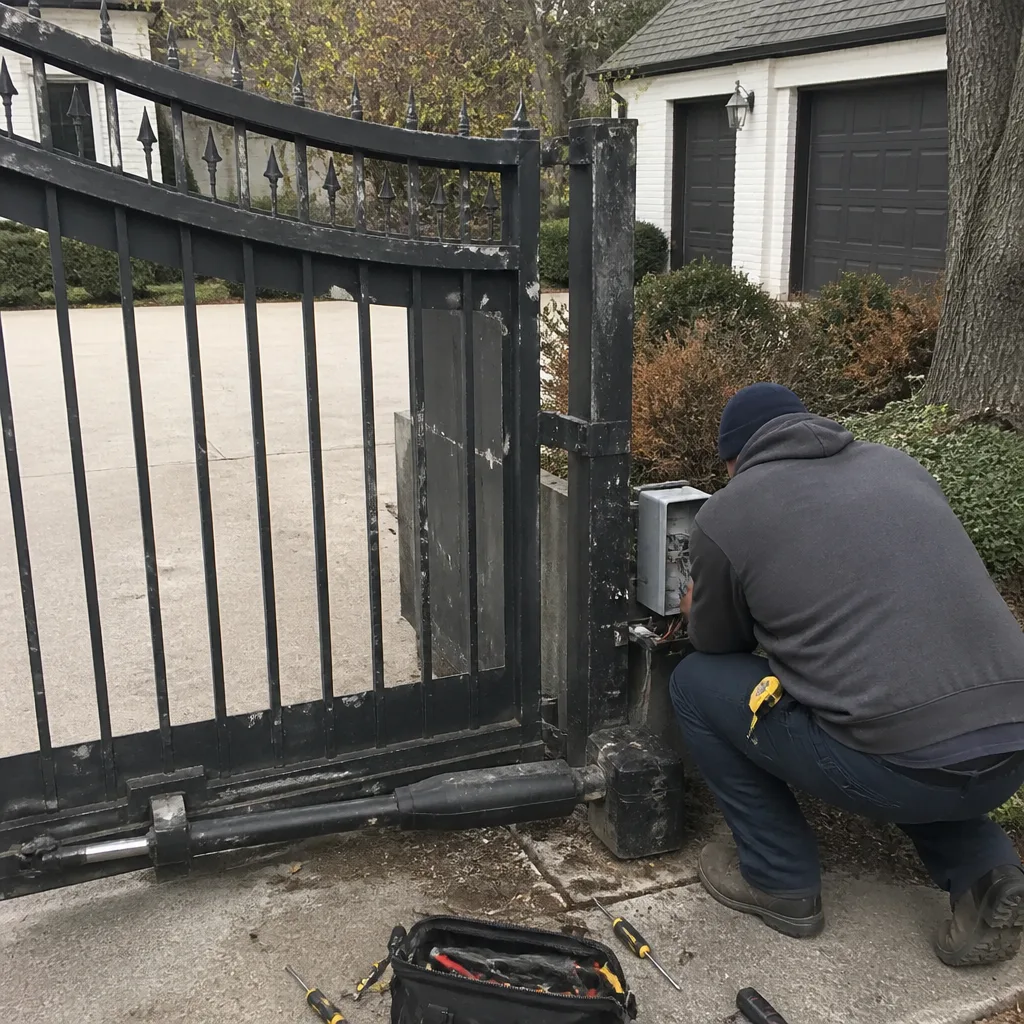 Before
 After
After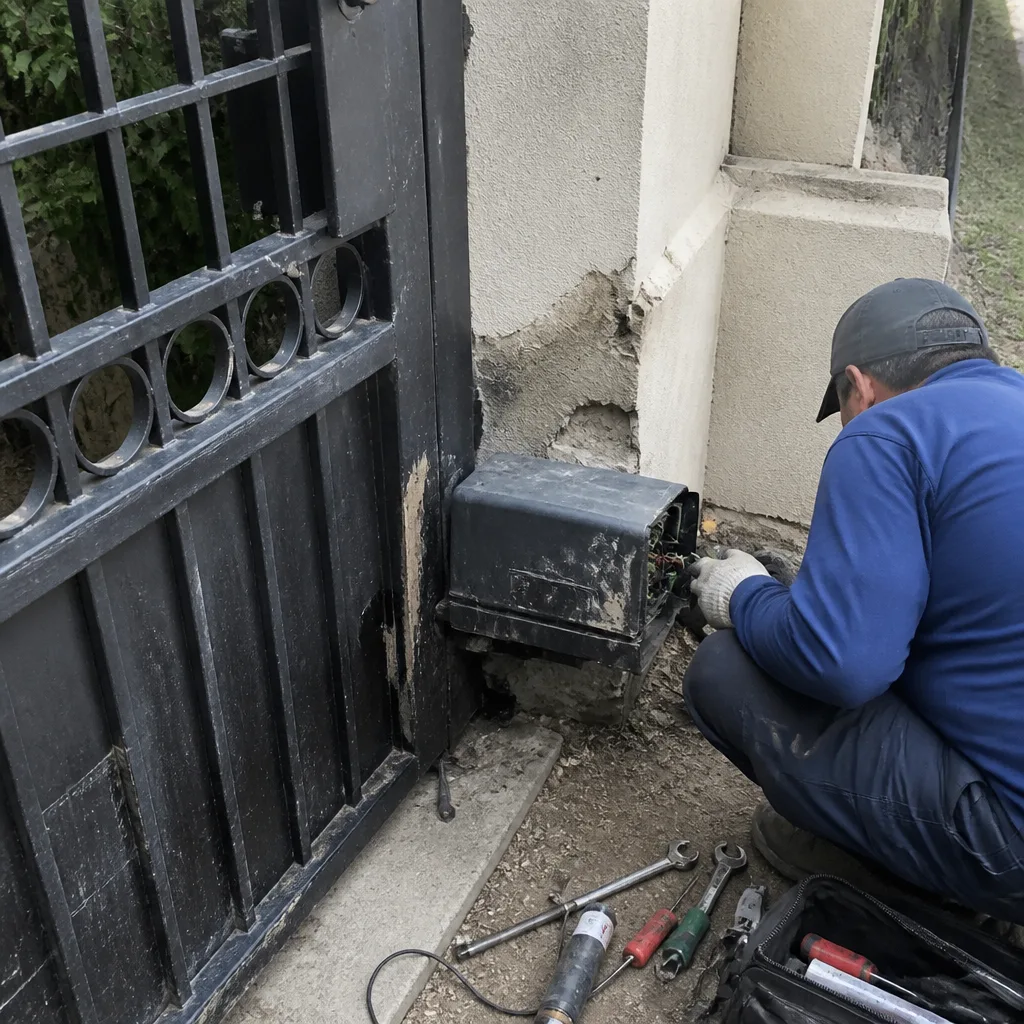 Before
 After
AfterGhost Controls Gate Motor Replacement: The Highland Park Owner’s Guide
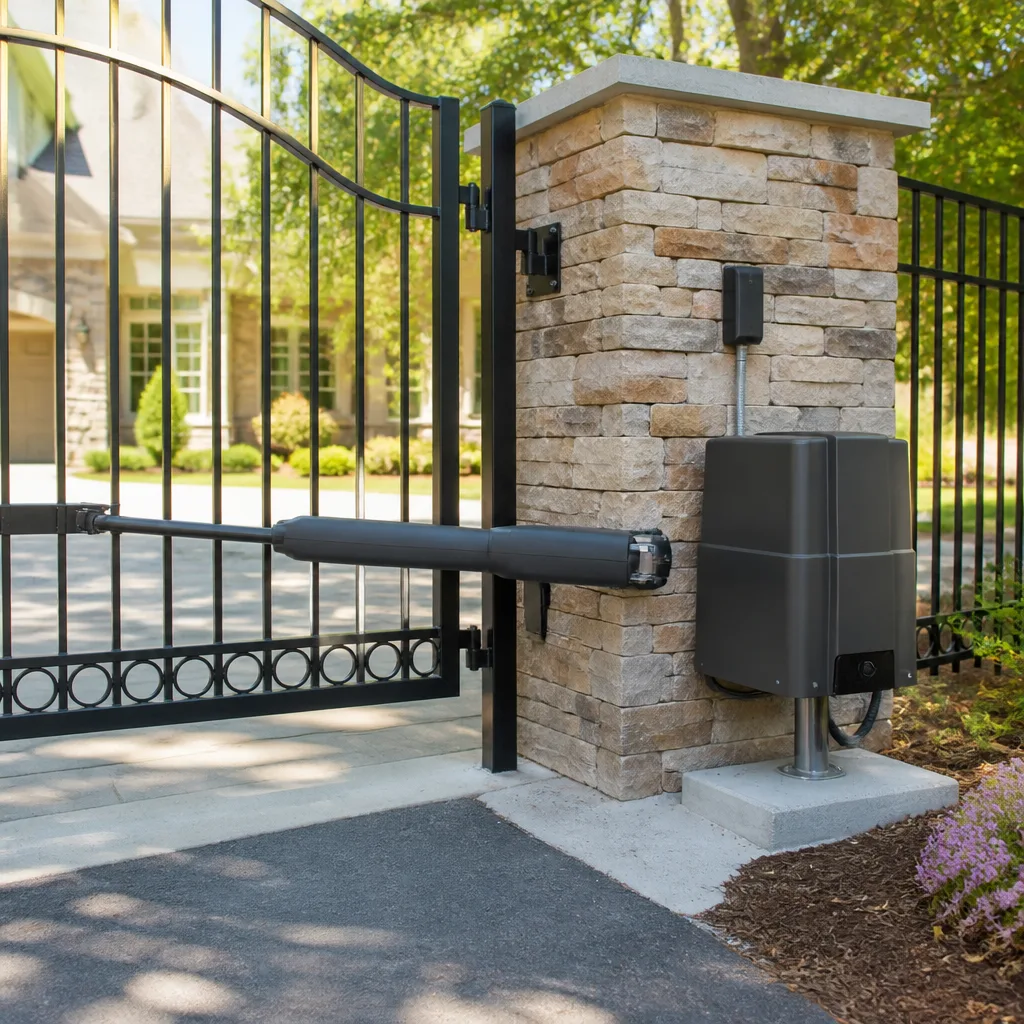
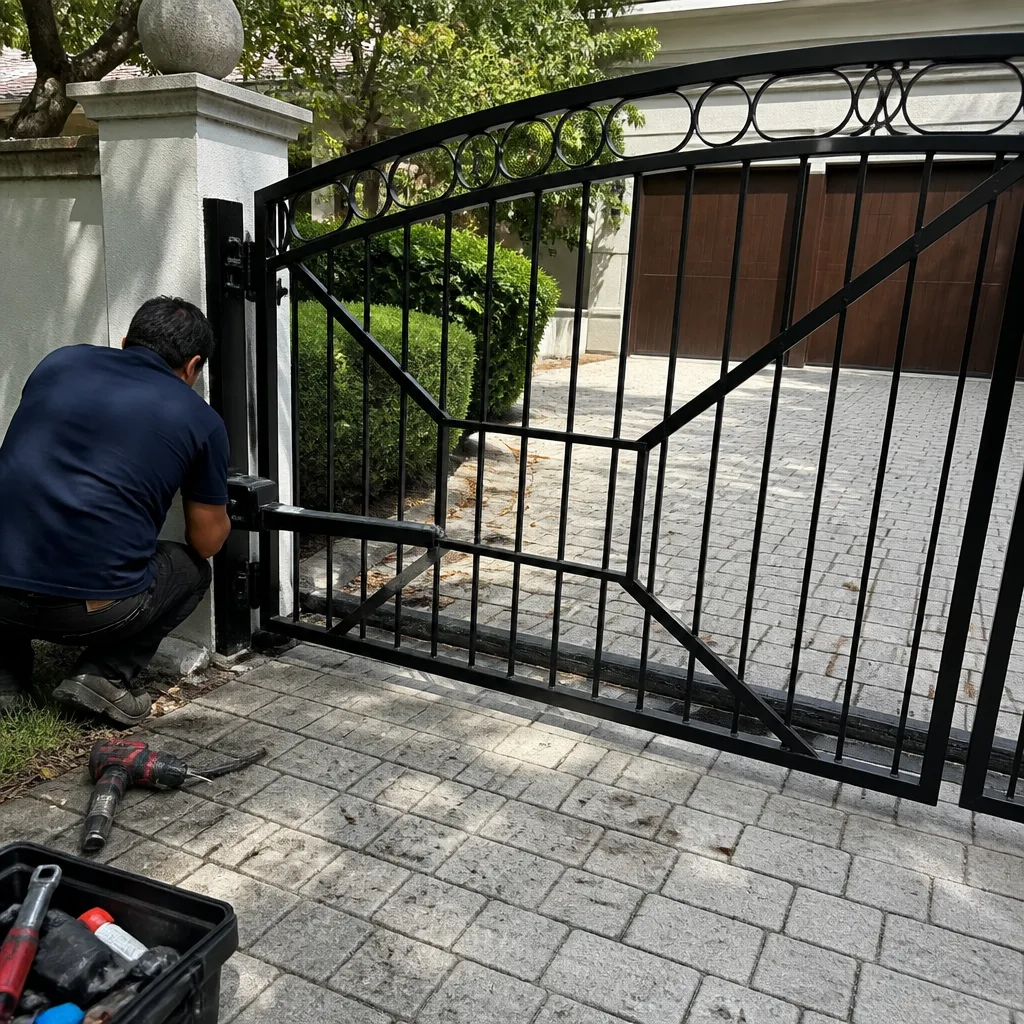
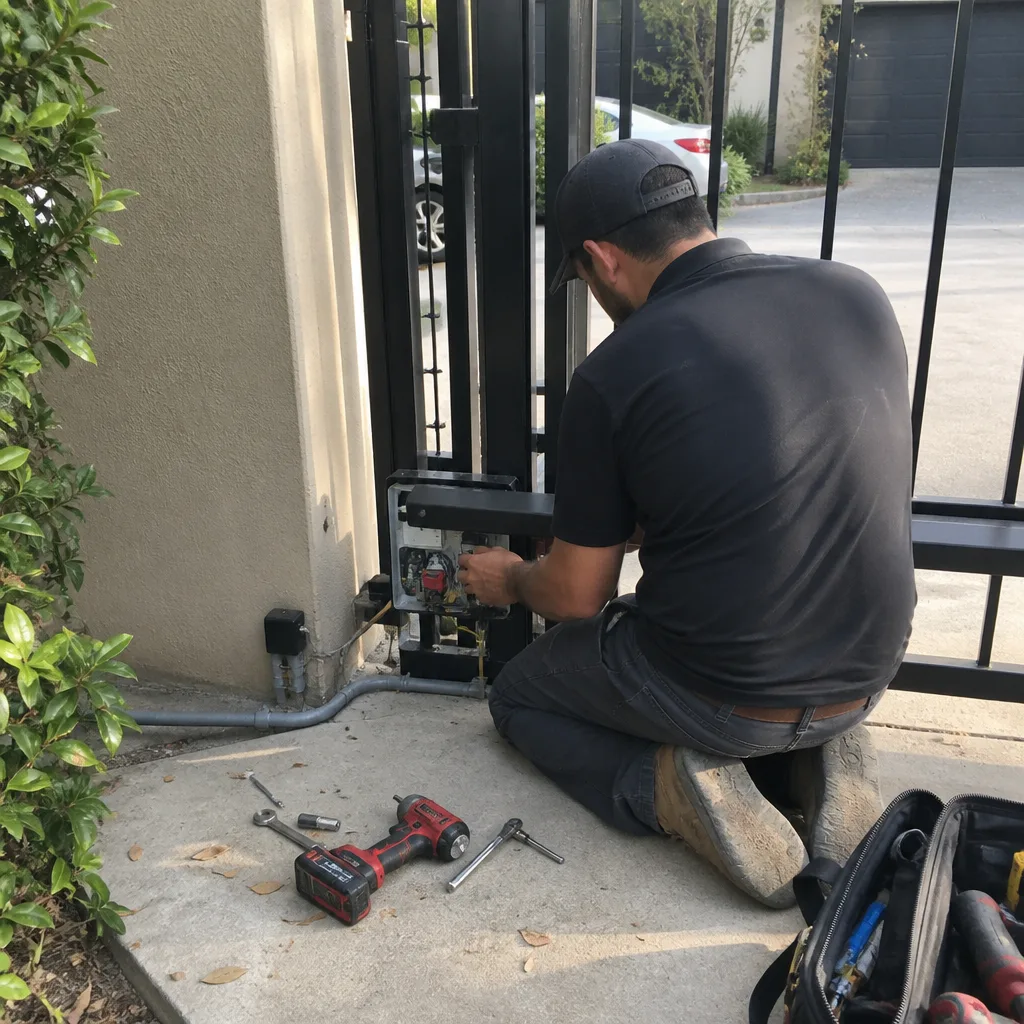
We stock Ghost Controls-compatible gate motors and install them in Highland Park on a regular basis, with typical replacement running between $450 and $900 installed depending on your model and setup. Most jobs we complete the same day we show up. The way owners usually find us is that the gate starts opening halfway, groans like it’s dragging a cinder block, or just sits there dead after a storm, and the search begins.
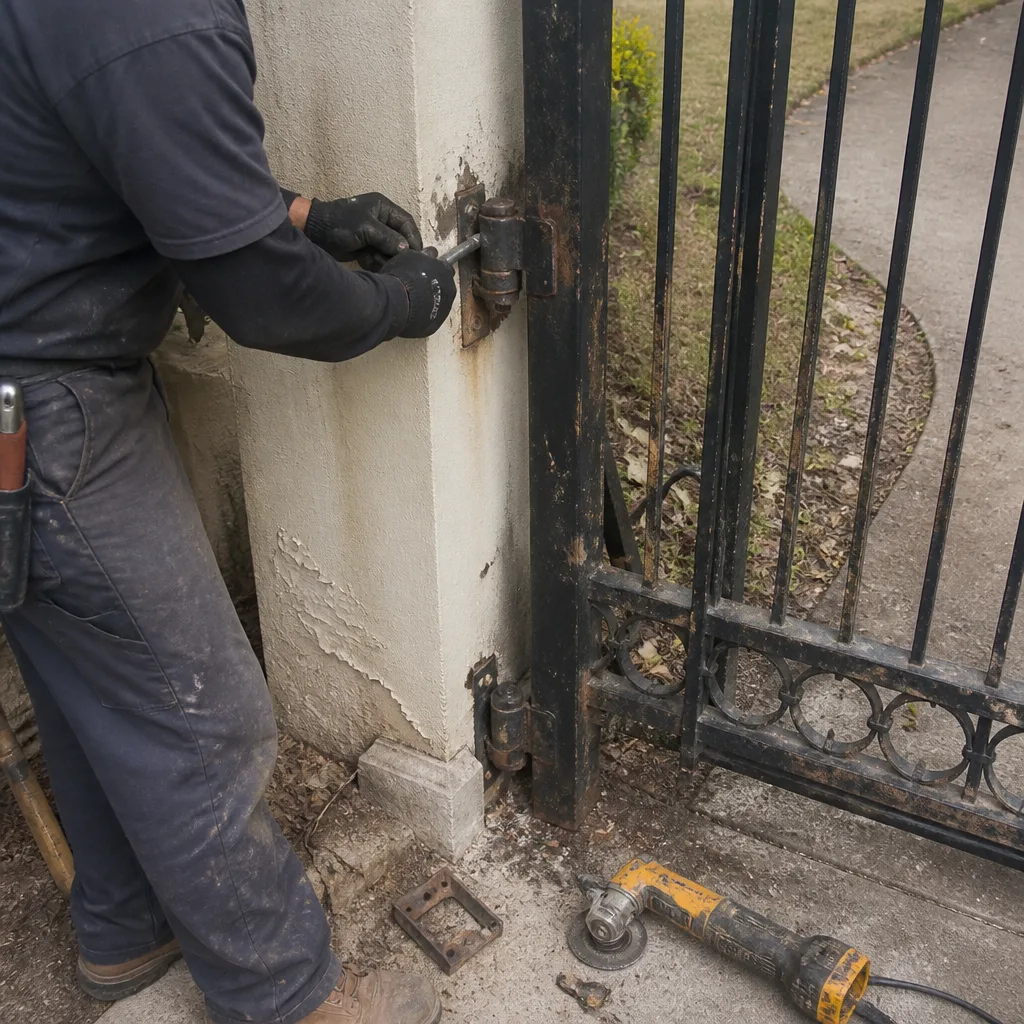
Ghost Controls builds solid operator arms and swing gate kits, but no motor lasts forever in Texas heat. We’ve swapped enough of them in Highland Park to know exactly which part you need by looking at the label, the arm length, and the way the gate moves. And we’ll tell you straight up whether the motor is actually the problem or if the issue is a limit switch, a control board, or a hinge post that’s been pulling out of line for three years. Hal Gatewood would rather fix the real problem than sell you a motor you didn’t need.
Which Ghost Controls Models This Applies To
Ghost Controls has been around since 2015 and they mainly produce three product lines: the AXDP (standard duty), the AXDP-C (commercial duty), and the TSS1 / TDS2 solar-ready kits. The dual-gate kits like the AXDP2 and the TDS2 pair an operator with a second arm for a double swing gate, and when one motor fails on those, you don’t necessarily replace both. We’ve done plenty of single-arm swaps on dual-gate systems in Highland Park and the second motor keeps going fine.
The compatibility gotcha with Ghost Controls is the arm length. Their linear actuators come in two main strokes: the shorter throw for gates up to 16 feet and the longer throw for 20-foot gates. If you put the wrong stroke on a heavy iron gate, the arm over-travels and the limit switch eats itself within a few months. The part number is printed on the actuator body label, usually starting with AX or T, and that’s the first thing Hal looks at when he pulls up. For most Highland Park homeowners with a 14- or 16-foot driveway gate on a brick column, you’re looking at the standard-duty AXDP actuator, which we keep on the truck along with the longer-stroke variant for the bigger estates off Preston Road.
On the OEM versus aftermarket question: Ghost Controls does not sell their arms as universal replacements, and the generic slide-gate arms sold online won’t bolt to a Ghost bracket without re-drilling and a prayer. We use either genuine Ghost Controls parts or a component-matched equivalent that carries the same stroke, same amp draw, and same duty cycle rating. We’re an independent shop, not affiliated with Ghost Controls, which means we’re not tied to whatever their distributor has in stock this month. If the genuine part is back-ordered six weeks, we’ll tell you what the equivalent is and why it’ll hold up.
Signs Your Ghost Controls Gate Motor Replacement Is Failing
- Gate stops mid-travel and reverses. The amp sensor inside the actuator is tripping because the motor is pulling more current than it should. Usually the internal gear train is binding, or the gate itself has picked up a bind from a sagging post.
- Loud grinding or clicking while the gate moves. The plastic gear inside the actuator housing loses teeth over time, especially in hot summers when the grease thins out. Once it skips a tooth, the motor runs but the arm doesn’t respond the way it should. We hear this one constantly in Highland Park around August.
- Gate moves slower than it used to. Capacitor degradation on the control board starves the motor of starting torque. The gate will eventually stop opening altogether. If it’s been slowing down for a month, it’s not the weather.
- Humming noise but no movement. The motor windings are trying but the mechanical coupling has stripped. This happens on older AXDP units when the arm has been fighting a misaligned gate for years.
- Remote works, gate doesn’t move, no noise at all. A dead actuator or a blown limit switch. Before you assume it’s the motor, check the fuse and whether the control board has power lights. We can diagnose that over the phone in about two minutes.
Replacement Cost & What’s Included
In Highland Park, expect a Ghost Controls gate motor replacement to run $450 to $900 installed. The spread comes down to three things: which actuator model you need (standard-duty versus commercial), whether it’s a single or dual gate system, and whether the control board needs to be swapped at the same time. We don’t load the invoice with mystery line items. You get the part cost, the labor, and that’s it, and the price is agreed before we touch a wrench. No trip charge inside the county, and every job carries our 90-Day Done Right Promise in writing. If it acts up within 90 days, one call and Hal comes back.
DIY or Call Us?
I’ll be direct with you: a Ghost Controls actuator runs off 12V DC power, so the electrical hazard is low. But the gate itself isn’t. A 400-pound iron gate storing up force against a failing motor will win against a hand or a head every time. Before you touch anything, disconnect the power source, unlock the manual release, and pin the gate in place so it can’t swing. If the manual release lever is seized, stop there and call us at (325) 936-1371. That’s the point where a homeowner in Highland Park ends up with a bent arm, a busted bracket, and half a Saturday gone. We’ve seen generous do-it-yourselfers turn a $500 motor swap into a $1,400 system rebuild. Let Hal take a look instead. Tell me what it’s doing wrong and I’ll come take a look – here’s my cell.
FAQs
Most Ghost Controls actuators last three to five years in Highland Park conditions. The heat is the bigger killer than the cold, because the gear grease breaks down and the limit switches corrode from sun exposure. Shaded columns with good drainage help, but the clock starts ticking the day a Texas summer hits the second or third season of use.
Sometimes. If it’s a stripped gear or a stuck limit switch, we can open the actuator, replace the component, and reseal it. But when the motor windings fail or the main shaft is bent from a gate impact, replacement is the honest call. Hal will open it up and show you what’s inside either way, and you’ll get the repair-first answer before we quote a new part.
Most single-gate Ghost Controls replacements in Highland Park take an hour to an hour and a half, including re-setting the travel limits and testing the full cycle ten times. A dual gate with a second actuator to coordinate runs closer to two hours. We don’t rush the limit settings, because a gate that over-travels will break the new motor within a year.
We stock the two most common Ghost Controls arms on the truck, and we can have the commercial-duty or long-stroke versions in hand within a couple of business days if we don’t. We also service LiftMaster, Mighty Mule, and DoorKing, so if your system is a mix of brands after a previous repair, we’ve got options that actually work together.
If your Ghost Controls gate motor has given up on you, call us at (325) 936-1371 for a free estimate. Hal Gatewood answers the phone, and if it’s after hours, he’ll still answer. The name is on the shop, and the shop is down the road in Highland Park, and that’s the oldest accountability there is.
Written by Hal Gatewood, Owner, Gatewood Fence & Gate at Gatewood Fence & Gate, serving Highland Park and nearby areas.